I am a professional in enhancing the first impression of your sound. I quickly recognize what the strengths are, and what it may need to take it to the next level. Equally important is knowing what not to do. A mastering job of high quality won't hinder your music or lose any essential elements, but will instead become a part of the sound's own personality.
Different release formats require different approaches. For digital releases, my goal is a timeless sound that translates reliably across platforms, even as services and their specifications evolve — always taking the constraints of the format into account.
For vinyl records, the lacquer cut is the stage where the final sound of the record is defined. I pay particular attention to the sound and performance of the lacquer master, because vinyl is a format from which more can be achieved when handled correctly.
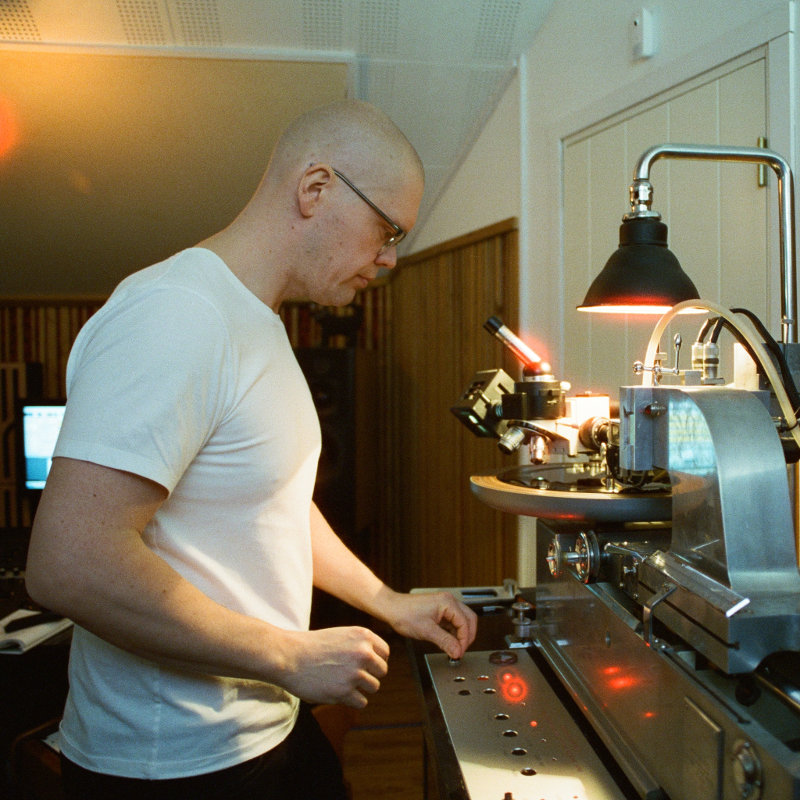
Mastering is the final aesthetic stage of music production. It involves intuitive, carefully considered decisions — often subtle adjustments — that help the music work as a coherent whole across different formats. An important part of mastering is perspective: a fresh set of experienced ears that can evaluate the music objectively after the long process of recording and mixing. Good mastering does not get in the way of the music, but reinforces its character and helps it sound the way it is meant to be heard.
Lacquer cutting is a crucial stage in the production of a vinyl record. It is not simply about transferring audio onto a disc, but a technical and creative process where the sound of the record is defined. A carefully executed cut supports the listening experience and allows the music to come through as intended — without compromising the sound. Because both the mastering and the lacquer cutting are carried out in the same studio, the entire process from final master to vinyl groove can be carefully controlled.
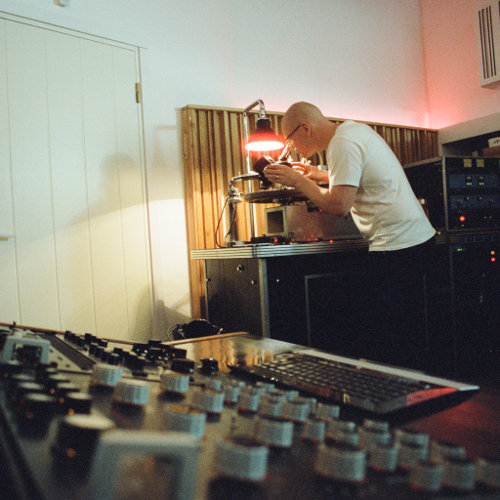
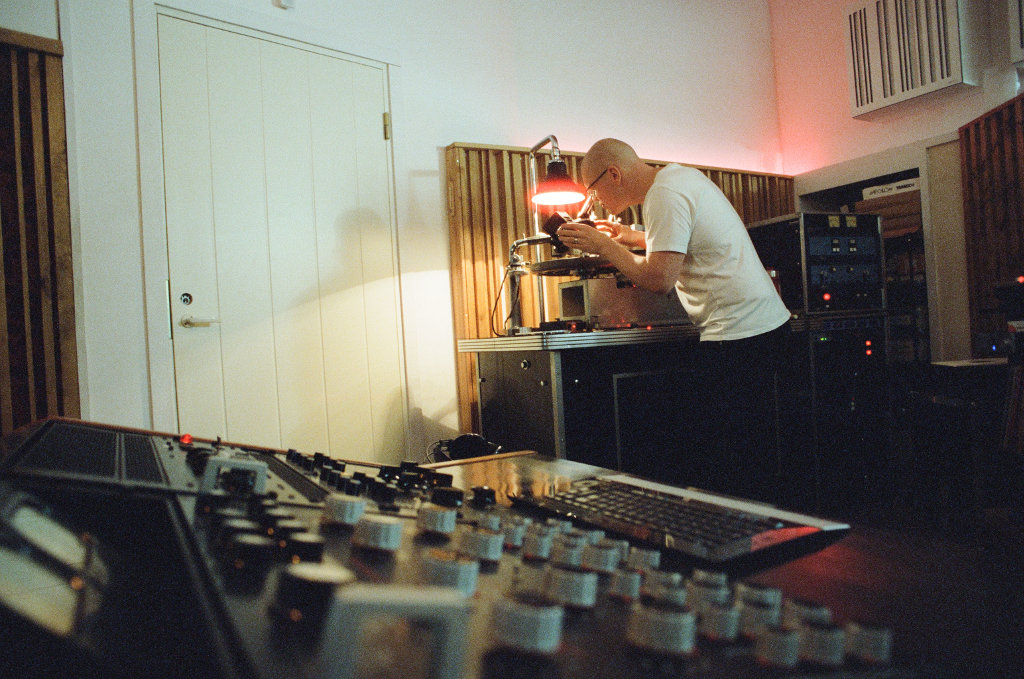
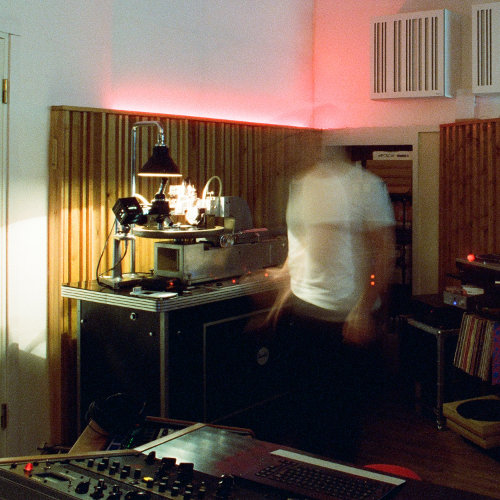
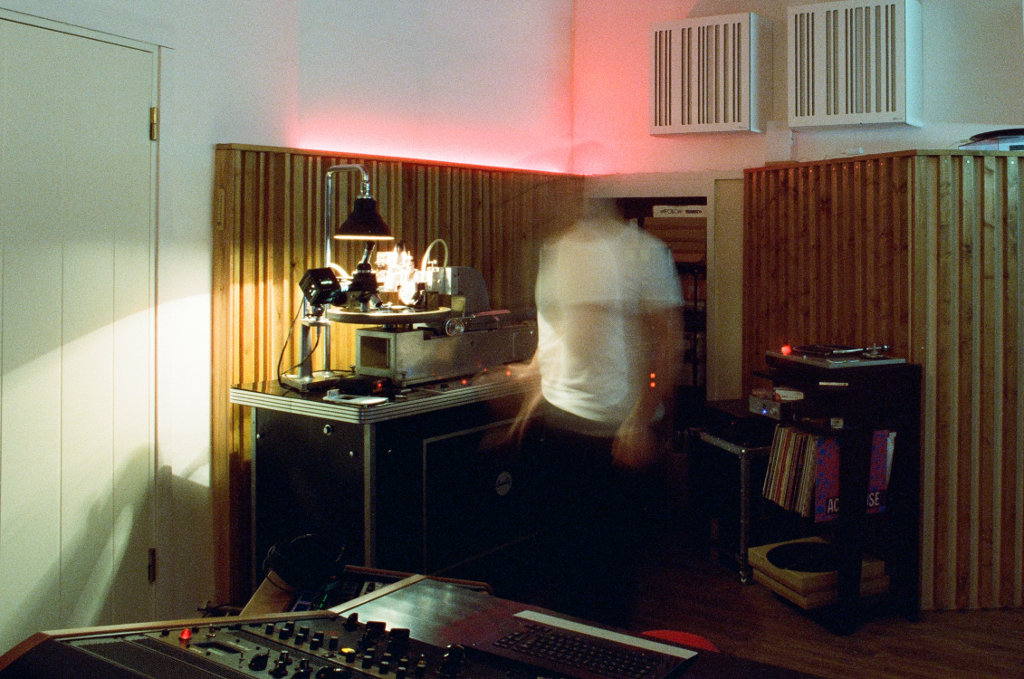
My studio is located in an old barn house on my yard in Kuhmoinen, Finland, on the banks of a river next to a log house built in the early 1800s. The studio was built on a new frame, and its highest point is about 3.5 meters high. The space is open, acoustically pleasant and a peaceful work environment. The matching of speakers and room acoustics has been particularly successful and it has been actively fine tuned and upgraded.
A large part of the equipment in my room is self-built or somehow modified - a unique combination of analog and digital tools that have over time intertwined into a seamless chain, from which I always find the right tone for the sound of your project.
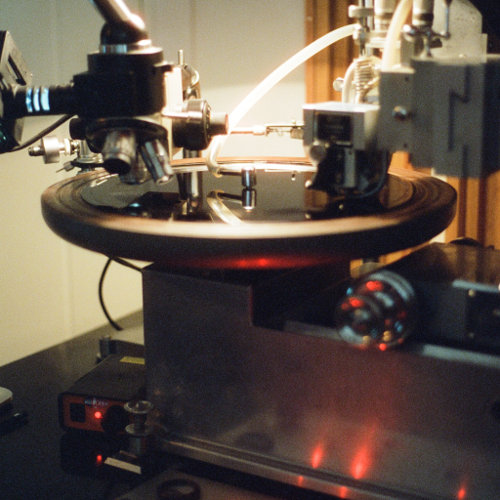
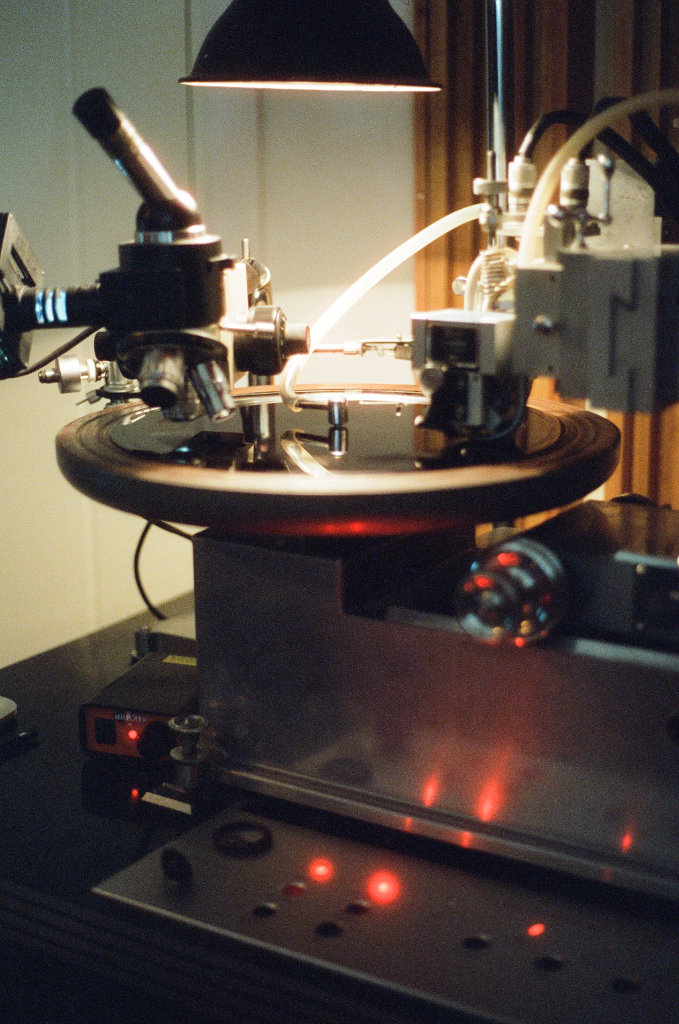
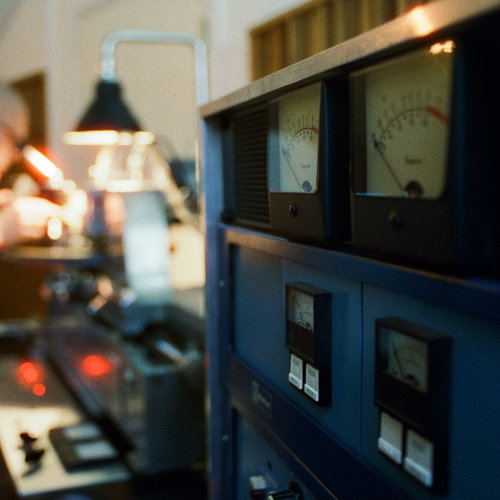
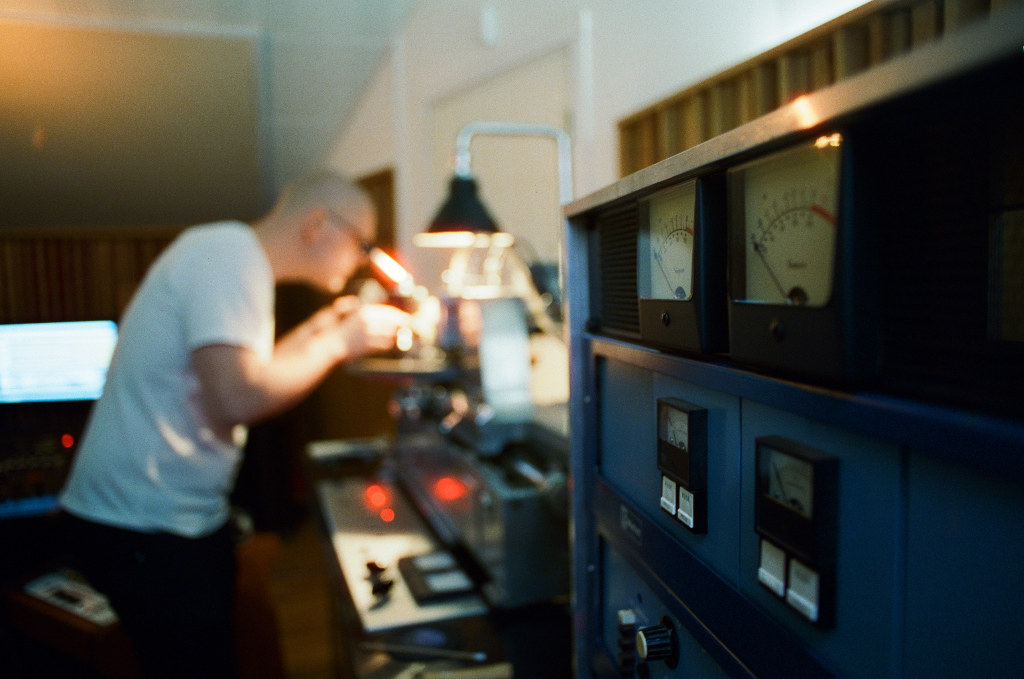
For cutting lacquer masters, I use the Scully Recording Instruments model 601 lathe with the Westrex 3DII cutting head and 1700A series amplifiers. Scully lathes were used to cut a vast amount of North American music from the 1930s through the 1960s, and later became part of the sound of classic Detroit techno records of the 1980s and 1990s.
This system combines that historical cutting tradition and classic sound with modern control electronics, allowing each record to be cut with precision while preserving the musical character of the master.
If you're planning a release or wondering when your project might be ready for mastering, feel free to get in touch. I'm happy to listen to your music and suggest how to move forward.